Price: $347.76
(as of $347.76 – Details)

Good Price E5 2666V3 RX580 Gaming PC X99 Review: A Budget-Centric Powerhouse for Wholesale Enthusiasts?
In the ever-evolving landscape of prebuilt gaming PCs, finding a machine that balances performance, affordability, and modern conveniences can feel like threading a needle. Enter the Good Price E5 2666V3 RX580 Gaming PC, a system centered around Intel’s Xeon E5-2666 v3 CPU and AMD’s Radeon RX 580 GPU, paired with the aging-but-durable X99 platform. Marketed as a wholesale-ready, prebuilt desktop with NVMe storage and 16GB of RAM, this PC targets budget-conscious gamers, small businesses, or resellers seeking a cost-effective multi-purpose machine. But does its promise of “good price” outweigh the potential compromises? Let’s dissect its specifications, performance expectations, and suitability in today’s market.
1. Processor: Intel Xeon E5-2666 v3 – A Server-Grade Workhorse
At the heart of this prebuilt lies the Intel Xeon E5-2666 v3, a processor originally designed for servers and workstations. Part of the Ivy Bridge-EP family, this CPU offers 10 cores and 20 threads with a base clock of 2.9GHz, peaking at 3.5GHz under turbo boost. While this core-heavy configuration excels in multi-threaded workloads like video rendering, 3D modeling, or running virtual machines, its gaming performance lags behind modern consumer-grade CPUs like Intel’s 12th/13th-gen Core series or AMD’s Ryzen 5/7 lineup.
Pros:
- Multitasking Prowess: Ideal for streamers, content creators, or users juggling heavy productivity software.
- Cost Efficiency: Xeon CPUs are often repurposed from decommissioned servers, keeping build costs low.
Cons:
- Outdated Architecture: Ivy Bridge debuted in 2013, meaning lower IPC (instructions per cycle) efficiency than modern CPUs.
- No Integrated Graphics: Requires a dedicated GPU (like the RX 580) for display output.
2. GPU: AMD Radeon RX 580 – Nostalgic 1080p Gaming
The AMD Radeon RX 580 (likely the 8GB variant) is a polarizing but nostalgic choice. Released in 2017, this GPU once dominated the mid-range market, offering excellent 1080p gaming at high settings in titles like Fortnite, Apex Legends, or GTA V. However, newer AAA games (e.g., Cyberpunk 2077, Starfield) will require significant compromises, with textures set to medium or low to maintain playable frame rates.
Performance Expectations:
- 1080p Gaming: 60+ FPS achievable in eSports or older AAA titles. Newer games may struggle beyond 40-50 FPS on medium.
- Budget-Ray Tracing?: The RX 580 lacks hardware-accelerated ray tracing, a standard in newer GPUs like NVIDIA’s RTX 2060+.
While the RX 580 remains serviceable for casual gamers, its power draw (~185W TDP) and lack of DLSS/FSR support make it a dated choice compared to budget alternatives like the NVIDIA GTX 1660 Super or AMD’s Radeon 6500XT.
3. RAM & Storage: 16GB DDR4 + NVMe M.2 SSD – A Balanced Pair
This system shines in its inclusion of 16GB DDR4 RAM and an NVMe M.2 SSD. For most users, 16GB is the sweet spot for gaming and productivity, preventing bottlenecks during multitasking. The NVMe SSD further elevates the experience with lightning-fast boot times, near-instant game loading, and snappy file transfers—advantages sparse in budget builds that often rely on slower SATA SSDs or HDDs.
Caveats:
- No mention of RAM speed (e.g., DDR4-2666 vs. 3200MHz) or SSD capacity/brand (likely a 256-512GB drive).
- Expansion potential hinges on the X99 motherboard’s available slots.
4. Motherboard & Platform: X99 Chipset – A Relic with Quirks
The X99 platform, a premium chipset from Intel’s Haswell-E/Broadwell-E era, supports the Xeon E5-2666 v3 but comes with trade-offs:
Pros:
- Solid PCIe lane allocation for multi-GPU or NVMe setups.
- Quad-channel memory support (if utilized).
Cons:
- Cost-Cutting Risks: X99 boards in budget prebuilts are often refurbished, Chinese OEM models, or stripped-down variants with limited VRM cooling and BIOS support.
- Upgrade Limitations: The platform supports older Xeons or Core i7 Extreme CPUs, which show diminishing returns compared to modern AM4/LGA1700 platforms.
Buyers should verify BIOS compatibility and motherboard reliability—a weak point in many wholesale-focused prebuilts.
5. Wholesale & Prebuilt Advantages: Who Benefits?
As a “wholesale build”, this PC appeals to three distinct demographics:
- Budget Gamers: First-time buyers seeking an affordable entry into PC gaming.
- Small Businesses: Offices needing reliable desktops for design, data processing, or light virtualization.
- Resellers: Vendors looking to rebrand or bundle these systems for local markets.
The inclusion of prebuilt accessories (unspecified but likely basic peripherals) adds convenience for users wanting a plug-and-play setup. However, wholesale buyers should confirm warranty terms and whether components are sourced from reputable manufacturers.
6. Thermal & Power Considerations: Unknown Variables
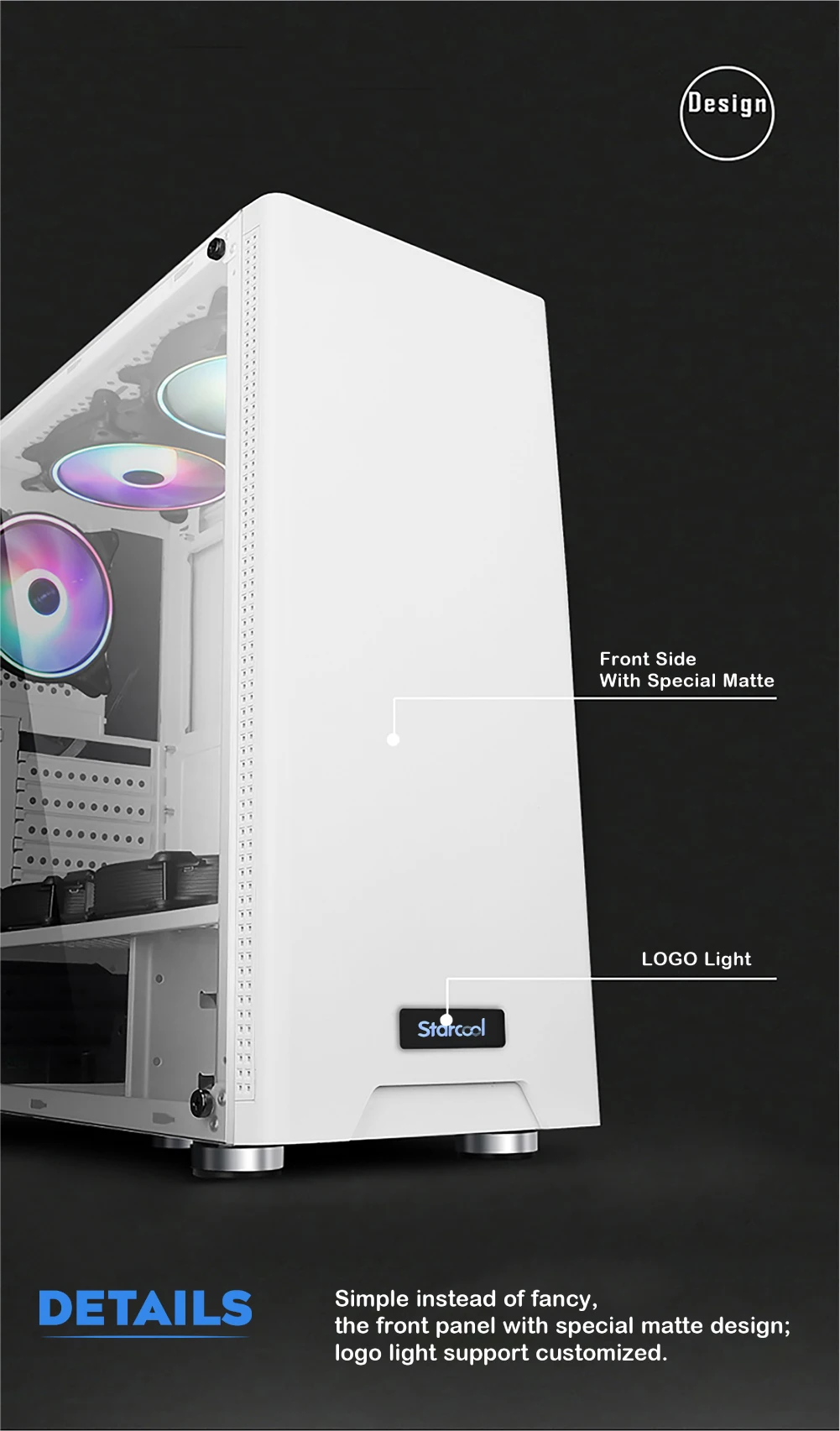
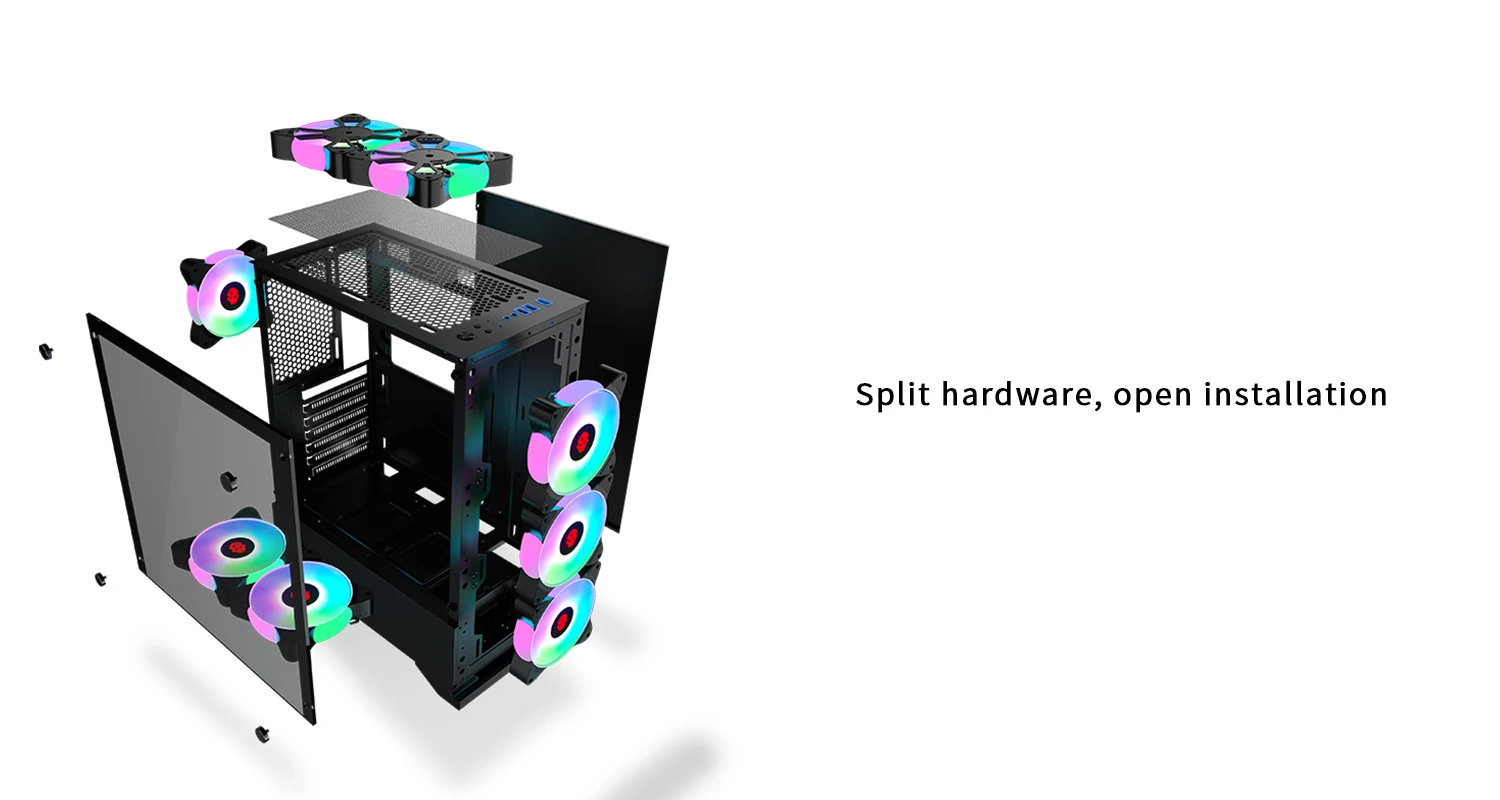
No specifics are provided about the PSU, cooling, or case airflow—critical factors for long-term reliability.
- PSU Concerns: Prebuilts often use generic power supplies. For a system drawing ~400W under load (RX 580 + Xeon), a low-tier PSU risks instability or component damage.
- Cooling System: The Xeon E5-2666 v3 and RX 580 produce significant heat. A weak cooler or poorly ventilated case could throttle performance.
Prospective buyers should prioritize units with 80+ Bronze PSUs and aftermarket coolers.
7. Target Use Cases: Where This PC Excels (and Falls Short)
Ideal For:
- Light Gaming: Older or eSports titles at 1080p.
- Productivity: Rendering, programming, or running multiple VMs.
- Budget-Centric Workstations: Photoshop, Premiere Pro (with GPU acceleration).
Not Ideal For:
- 4K Gaming or AAA Titles: The RX 580 can’t handle ultra settings in modern games.
- Future-Proofing: Lack of PCIe 4.0, DDR5, or modern CPU sockets limits upgrades.
8. Price Analysis: The Deciding Factor
The term “Good Price” is subjective, but at wholesale rates, this PC likely undercuts similarly specced prebuilts by 20-30%.
Estimated Value:
- $300-$450 (wholesale): Competitive for a complete system with an SSD and 16GB RAM.
- $500-$600 (retail): Less appealing when compared to newer Ryzen 3/Intel i3 builds.
The value proposition hinges on regional pricing and intended use. For wholesale buyers bundling accessories or businesses needing bulk workstations, it’s a practical option.
Final Verdict: A Calculated Compromise
The Good Price E5 2666V3 RX580 Gaming PC isn’t a cutting-edge powerhouse, but it’s a compelling study in strategic cost-saving. Its strength lies in multi-core productivity, 1080p gaming viability, and NVMe-enabled responsiveness. However, dated components, uncertain motherboard quality, and probable thermal/power shortcomings necessitate caution.
Who Should Buy It:
- Gamers prioritizing budget over future-proofing.
- Small businesses needing multi-threaded performance.
- Wholesale resellers with access to technical support.
Who Should Avoid It:
- Enthusiasts seeking high-refresh 1440p gaming.
- Users wanting warranty security or upgrade flexibility.
In a world fixated on “the latest and greatest,” this Xeon-RX580 combo proves that thoughtful repurposing of older hardware can still deliver adequate performance—if expectations are appropriately tempered. Just remember: a low price tag often demands equally low compromises.